
Learn without the lecture
How to Host a Tasting People Actually Enjoy
A practical plan for good pours, enough food, useful conversation and a finish that arrives before the room gets tired.
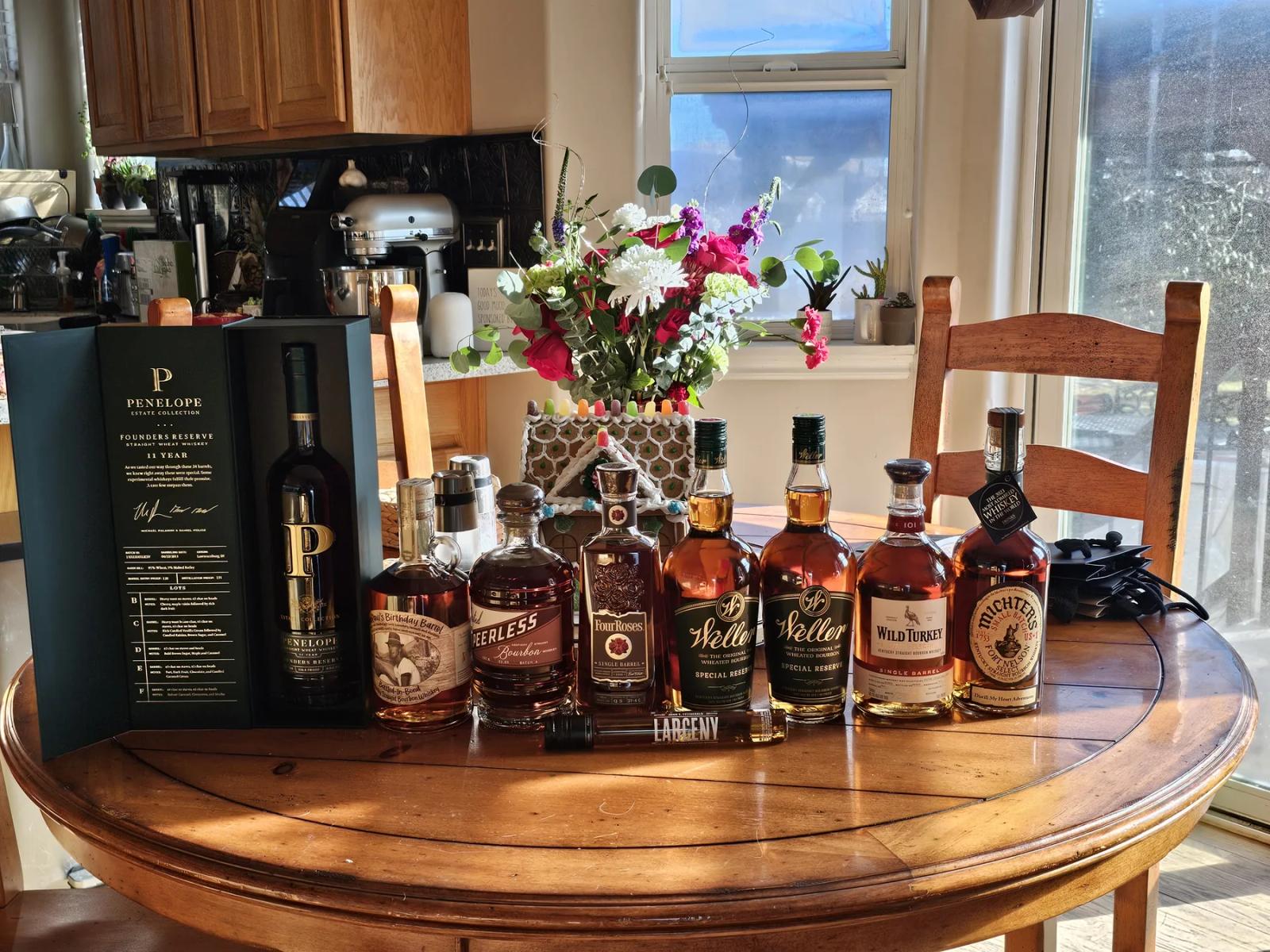
Invite people, not résumés
A tasting works best with four to eight people who are comfortable saying what they notice without defending it. Tell guests there is no expertise requirement and make it clear that tasting, skipping and spitting are all acceptable.
Choose a simple theme
- Bourbon and rye side by side
- Three bourbons with different mash-bill styles
- One spirit in three classic cocktails
- Wine from one grape across three regions
- Coffee brewed three ways
Limit the lineup
Three pours are ideal and four is the practical maximum for most casual tastings. For spirits, keep each pour near one-half ounce. Put water at every seat and serve substantial food before or with the tasting.
Give the room a useful rhythm
Start with the lightest or lowest-proof sample and move toward the richest or strongest. Give everyone a minute to smell and sip before discussion. Ask one question at a time: What changed? Which would you serve with food? Which would you order again?
Avoid reading the producer's tasting notes before people form their own impressions. Those notes can be interesting afterward, when they are context rather than an answer key.
Feed people properly
Plain crackers help reset the palate, but they are not dinner. Serve a real meal or substantial snacks, avoid very spicy food until the formal comparison is over and offer a thoughtfully made zero-proof drink.
Use notes that lead somewhere
Record what each person noticed, what they enjoyed, how they would serve it and whether they would seek it out again. Whiskey Flight Deck can hold the details without turning the table into paperwork.
End on purpose
Plan safe rides before the first pour and stop the structured tasting after the final sample. Put bottles away, bring out coffee or sparkling water and let the evening become a gathering again.