
Featured guide
How to Taste Whiskey Without Taking a Test
Forget the approved vocabulary. Pay attention to what you smell, what you taste, how the whiskey changes, and whether you would willingly pour it again.
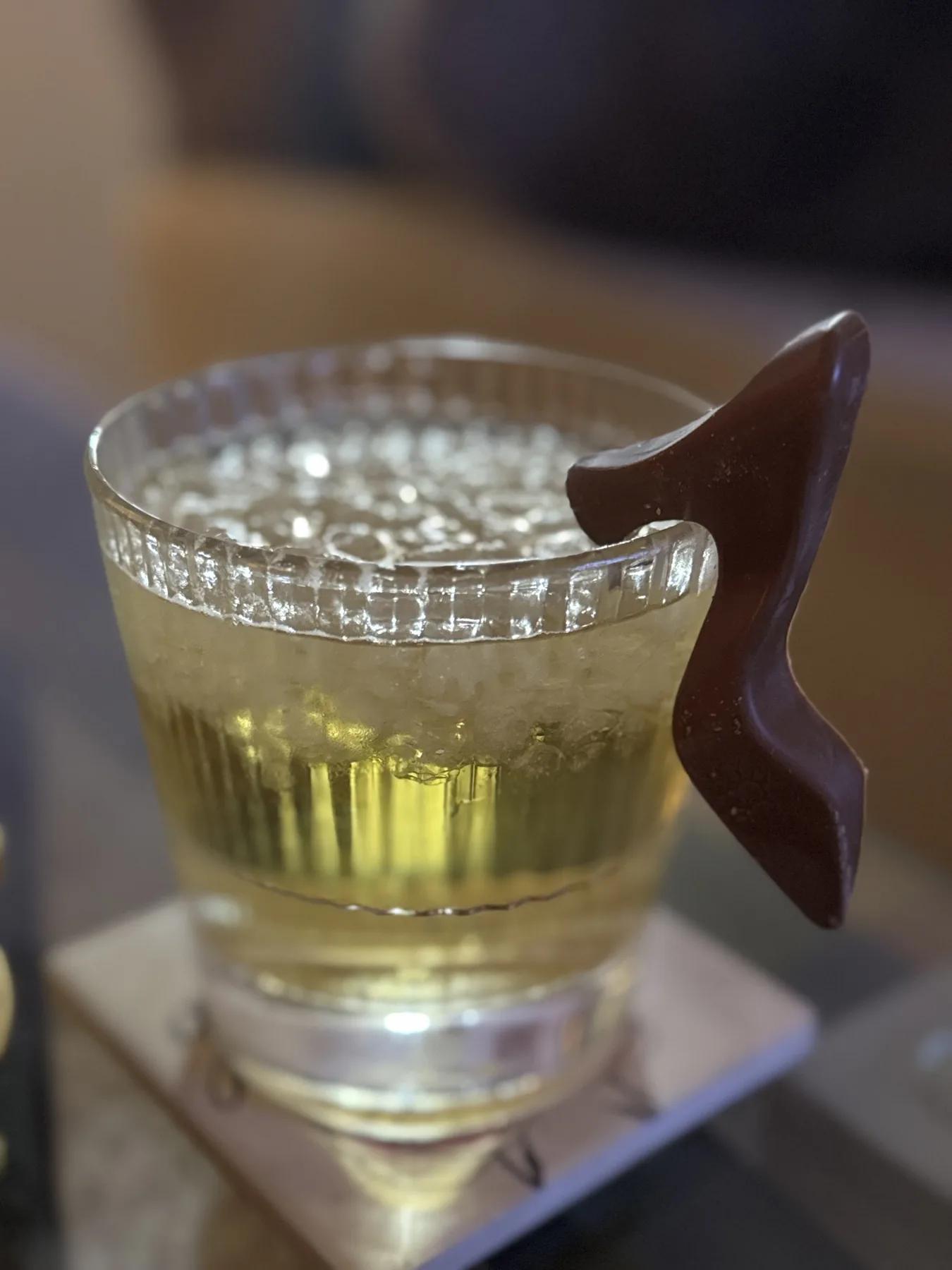
Set up a tasting you can actually enjoy
A useful whiskey tasting is not an exam and does not need a row of expensive bottles. It needs a calm table, a little time and a willingness to notice what is in front of you.
Choose two to four whiskeys. Fewer pours make comparison easier and leave room for conversation. A simple theme helps: bourbon versus rye, three proofs of the same style or one familiar bottle beside something new.
Use the glassware you have
A tulip-shaped tasting glass concentrates aroma and makes comparisons easier, but it is not an entry fee. Small wine glasses or clean rocks glasses work. Use the same shape for every pour so the comparison stays fair.
Keep the pours small
Pour about one-half ounce of each whiskey. That is enough to smell, taste, revisit and add water without turning an educational evening into an endurance event. For four whiskeys, the total is roughly two ounces per person.
Put water and plain food on the table
Offer room-temperature water for drinking and for optional dilution. Plain crackers, bread, mild cheese and unsalted nuts keep people comfortable without crowding the whiskey. Serve a real meal before or with the tasting rather than relying on snack bowls.
Look at the color, then move on
Color can be interesting, but it is not a reliable scorecard for age, quality or intensity. Barrel history, proof and permitted coloring practices vary by category. Notice it without building a verdict around it.
Smell gently
Keep your mouth slightly open and bring the glass toward your nose instead of burying your nose in it. Take two or three short passes. Start with ordinary words: vanilla, grain, apple, toasted wood, mint, smoke, caramel or something you cannot quite name.
If the alcohol feels sharp, give the glass a minute and smell from farther away. There is no prize for getting closer.
Let the first sip be an introduction
Take a small first sip and let it coat your mouth. The first contact often feels mostly like alcohol, especially with higher-proof whiskey. Pause, breathe and take a second small sip before deciding what you think.
Add water if you want it
A few drops of water can change aroma and texture. Try the whiskey neat first, then add water a little at a time. This is not fixing the whiskey or breaking a rule; it is another way to understand what is there.
Compare impressions, not credentials
Ask simple questions: Which one smells sweetest? Which feels lightest or richest? Which finish lasts longest? Which would you want with food? Which would you pour again?
Different answers are useful because taste is personal and context matters. A bottle that works beautifully in a cocktail may not be the one someone chooses neat. Agreement is not the goal.
Write down what helped
Record the bottle, proof, setting and a few plain-English impressions. Most important, note whether you enjoyed it and how you would serve it next time. Whiskey Flight Deck is designed for exactly this kind of useful record—what you noticed, what you liked and what deserves another pour.
Keep the evening responsible
Plan transportation before pouring, make alcohol optional and keep water and food available. Do not pressure anyone to finish a pour. A tasting should end while everyone can still describe it clearly.