
A better night in
How to Set Up a Two-Person Whiskey Tasting at Home
A relaxed three-pour plan for two people, with measured servings, useful notes, good pacing and no performance required.
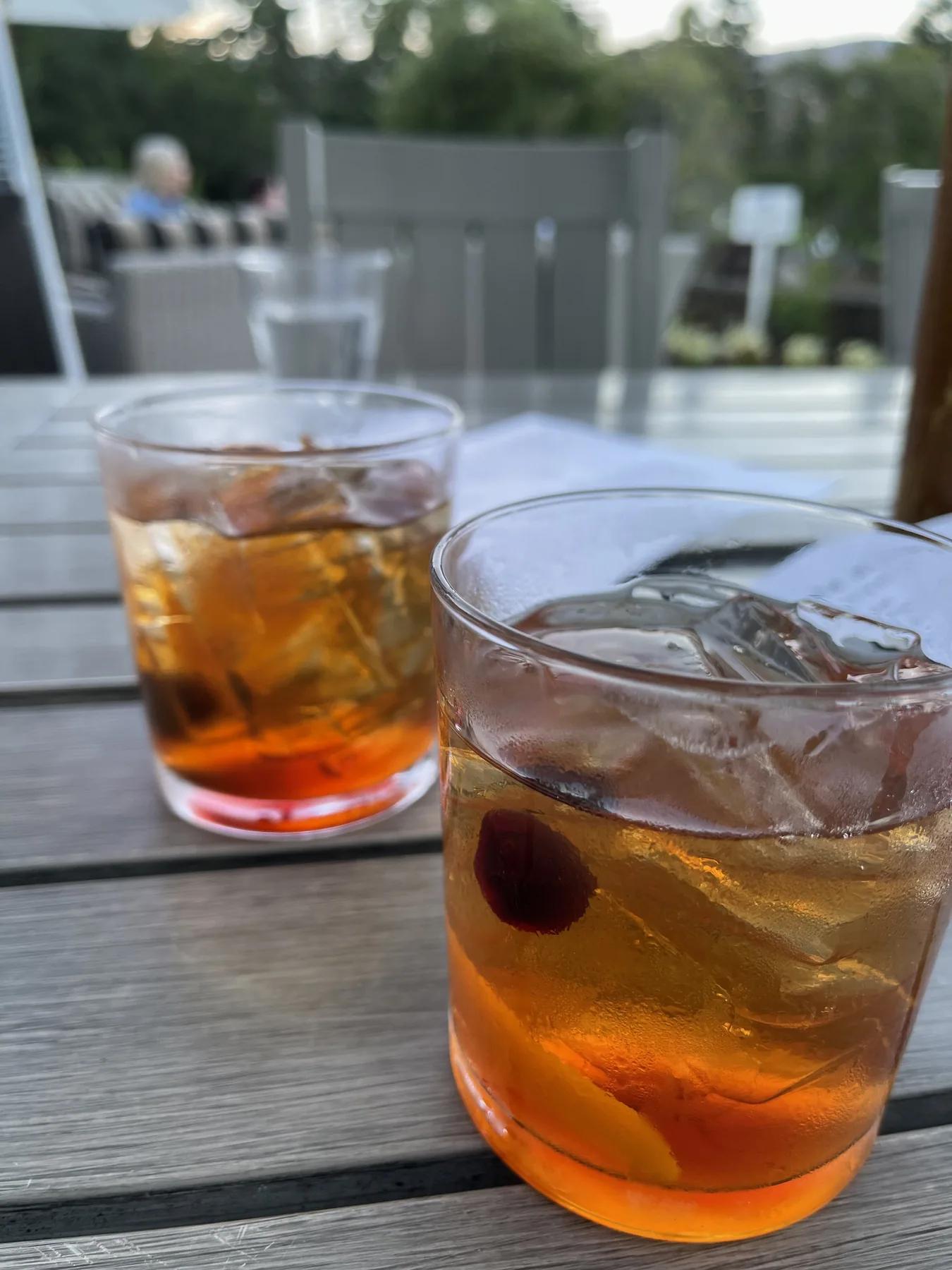
Make it deliberate, not formal
A two-person tasting is an easy way to slow an evening down. Three small pours create enough contrast to be interesting without turning the table into a seminar. Choose the whiskey, set out water, put on music and give the night a beginning and an end.
Expertise is not required. The useful questions are ordinary ones: What changed from the last glass? Which pour fits the room? Which one would you want again?
Choose three pours with a reason
Build a simple comparison. Try one familiar bourbon beside a rye and a Scotch, three whiskeys from the same category at similar proof, or one style across three producers. A clear theme gives the conversation somewhere to go.
Avoid making price the theme. An expensive bottle does not need to be the winner, and knowing the price too early can influence the room. Cover the labels for the first pass if both people enjoy a little mystery, then reveal them before the end.
Put the pours in a sensible order
Start with the lightest, lowest-proof or most familiar whiskey. Move toward richer, higher-proof or more strongly smoky pours. The order does not need laboratory precision; it only needs to keep the first glass from overwhelming the next two.
If proofs vary widely, write them down and place the strongest last. Give each glass several minutes before moving on.
Measure one-half ounce per glass
Pour about one-half ounce of each whiskey for each person. Across three samples, that is roughly one and one-half ounces per person before any optional revisit. A jigger keeps the comparison consistent and prevents an enthusiastic free-pour from changing the plan.
Nobody needs to finish a sample. Tasting, skipping and stopping are always acceptable, and a thoughtful alcohol-free drink belongs on the table too.
Use matching glassware
Three matching tulip-shaped glasses per person make aroma comparison straightforward. If you do not own six tasting glasses, use small wine glasses or matching rocks glasses and rinse them between rounds.
Skip ice during the first comparison because dilution and temperature will change each pour at a different pace. Add a large cube to a favorite afterward if that is how you prefer to drink it.
Set out two kinds of water
Keep drinking water within reach and a small separate glass or dropper for adding water to the whiskey. Taste each pour neat first, then add a few drops if you are curious about how it changes.
Room-temperature still water is the least distracting choice. What matters most is having enough and making it easy to pause between samples.
Reset the palate without overthinking it
Plain crackers, bread and water are enough between pours. Mild cheese or unsalted nuts can join the table, but save strongly spiced, smoky or sweet food until the focused comparison is done.
Serve a real meal before the tasting or plan one with it. The crackers are a reset, not dinner.
Take notes like people, not judges
Write the bottle, proof and three plain observations: what you noticed first, what changed with time or water and how you would serve it. Finish with the only verdict that has to travel home: would you willingly pour it again?
Whiskey Flight Deck can keep the bottles and impressions together without forcing a score. Use it as shared memory, not an answer key.
Use music and light to set the pace
Choose warm, bright-enough light so both people can read labels and move around safely. Put on a familiar album or a quiet playlist that can sit behind the conversation. The room should feel considered, not staged.
Silence notifications, clear the table of unrelated work and use real napkins or coasters if you have them. Small acts of preparation do more than a scripted tasting speech.
Give the evening room
Allow about 15 to 20 minutes per pour, with time for water and conversation. After the third comparison, put the lineup away or choose one small favorite to revisit. Turning the formal part off is part of good hosting, even when the guest list is two.
Plan transportation before the first pour, do not drive after drinking and keep alcohol optional. A tasting succeeds when both people remain comfortable, present and free to stop.