
The Saturday, Distilled
The Saturday, Distilled: Take the Long Way
A good day on the road does not require a twelve-step itinerary. Pick a direction, choose two or three anchors, dress like the day matters, and leave enough room for something unplanned.
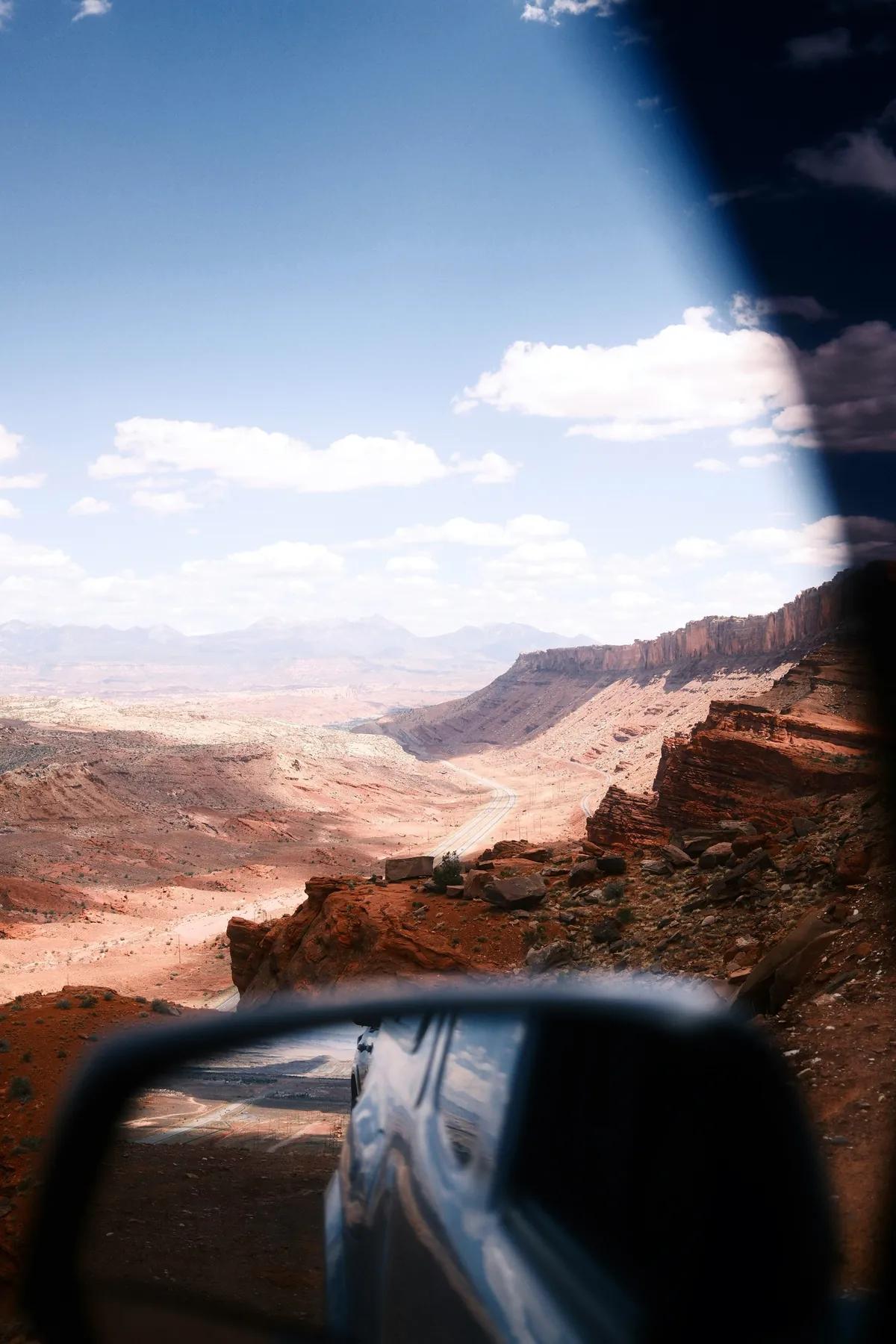
Choose the one thing that makes the day worth leaving for
Start with one anchor destination: a canyon road, a neighborhood you have only driven through, a small museum, a market, a lake, a record shop, a piece of architecture or a main street with enough life to support an afternoon. The anchor should be specific enough to point the car, but substantial enough that the day still works if nothing else goes exactly to plan.
This is the difference between a destination and a list. A list keeps asking what comes next. A destination gives the day a center. Before adding anything else, confirm that the road is open, the place is accessible when you intend to arrive, and any reservation or fee is understood. Then stop researching for a minute. You are planning a Saturday, not acquiring a minor degree in regional logistics.
Add one meal and one stop that can be skipped
A day out benefits from a meal chosen on purpose. It might be a diner, a bakery counter, a neighborhood restaurant, a market or a sandwich eaten somewhere with a view. Choose the place because it belongs to the destination, not because it has the loudest online reputation. Verify the current hours directly and keep one nearby alternative in mind; that is preparation, not pessimism.
Then add one optional stop. The word optional matters. A roadside marker, short walk, antique store or scenic turnout can give the day texture, but it should never become a debt the group has to repay. If lunch runs long or the weather changes, let the stop go. An itinerary with nothing expendable is just a schedule wearing better shoes.
Leave a visible blank in the plan
Unscheduled time is not the part of the day you failed to optimize. It is where the day becomes yours. Leave an hour without an assignment. You may spend it walking two more blocks, talking to a shop owner, sitting beside the water, or taking a road that looks promising and remains sensible. You may also do absolutely nothing with it.
The blank makes ordinary complications less irritating. A slow meal, a full parking lot or ten minutes spent finding the right turn no longer threatens the entire operation. More importantly, it makes room for curiosity. The turn you almost missed can only matter when every minute after it has not already been sold.
“The point is not to see everything. The point is to remember something.”
Take the scenic road only when it improves the day
The slower road is not automatically the better road. Sometimes it offers a canyon, a river, old storefronts or a way into the landscape that the interstate cannot. Sometimes it offers forty extra minutes behind a delivery truck and no safe place to stop. Look at current conditions, daylight and the people in the car, then decide whether the view is worth the time.
A useful rule: take the long way toward the destination when everyone is fresh, and keep the efficient route available for the return. If the scenic road creates stress, skip it without apology. Movement with purpose includes knowing when the fastest route is exactly the right one.
Dress for the day you said you wanted
Comfort matters. So do weather, walking distance and the possibility that the lunch counter becomes a better restaurant than expected. Wear shoes that can handle several blocks, a layer that makes sense at the destination, and clothes that still feel like a choice when you catch your reflection late in the afternoon.
This is not a call for costume or performance. The road does not need a themed outfit. It is simply easier to treat the day as an occasion when you have not dressed as if you resent being seen. Comfortable does not have to mean gave up, and intentional does not have to mean precious.
Give the road a soundtrack with some shape
A road playlist should move. Begin with songs that make departure feel like a decision, settle into a longer middle, and save a few familiar voices for the return. Mix discovery with handrails: one new song lands better beside something the car already trusts. Download the list before entering weak-service country.
Do not make one person spend the entire day working as a human jukebox. Build enough music to avoid repetition, invite a contribution or two, then let it run. Silence is allowed. So is playing one song twice when the road, light and conversation happen to agree.
Keep moving when a stop has stopped earning its place
A famous overlook can be socked in, a shop can be closed, and a promising main street can be quieter than expected. Notice what is actually happening instead of insisting on the version you planned. If a stop is crowded, awkward or simply not interesting, leave. You do not need to extract value from every pin on a map.
The same judgment applies to adding stops. Curiosity is useful; compulsion is not. Ask one question: will this make the day better for the people who are here? If the answer is unclear, keep moving. There is confidence in letting a place remain available for another day.
End somewhere worth sitting for a while
Do not let the final memory be a gas-station receipt and a dark drive home. Choose a last stop where the day can settle: an early dinner, a coffee, a park, a patio, a lakefront or a quiet overlook reached before the light is gone. Put the keys away for a little while and give everyone a chance to arrive at the end together.
If the last stop includes alcohol, the driver does not. Save the bottle, tasting or neighborhood bar for after everyone is home or for another day built around a safe ride. A good Saturday should finish with the people, the route and the next morning intact.