
The DMHA Weekend
A Paso Robles Weekend of Wine Country, Craftsmanship, and Country Music
A Paso Robles getaway that begins among vineyards and stone winery walls, finds its heart in student-built tables and restored tractors at the Mid-State Fair, and ends under the grandstand lights with Old Dominion.
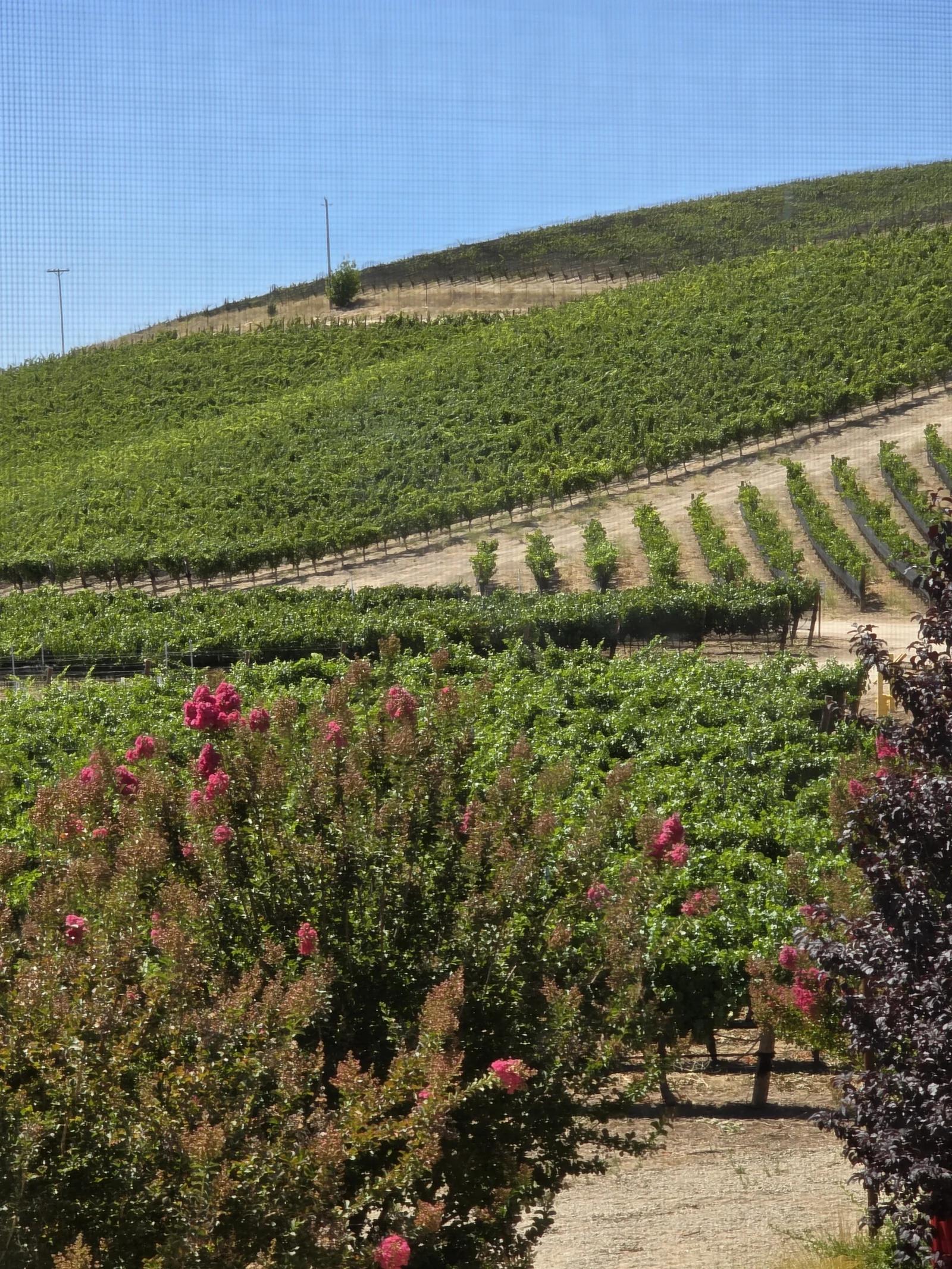
Paso Robles is usually filed under “wine country.” Accurate, certainly, but incomplete.
Over a few July days, the region kept widening the frame: vineyard-covered hills, oak-shaded back roads, stone-and-timber winery buildings, contemporary sculpture, working ranches, and a county fair where high school students had turned slabs of wood, steel, truck parts, and old farm machinery into work worth stopping for.
Then Old Dominion took the stage, and the weekend found its soundtrack.
We visited six wineries—Halter Ranch, Opolo, Oso Libre, Parrish Family Vineyard, Austin Hope, and JUSTIN Vineyards & Winery. Each offered a different view of Paso Robles, from Rhône varieties and Zinfandel to Cabernet Sauvignon and Bordeaux-style blends. But the part of the trip that stayed with us most was not a tasting note or a bottle ranking. It was the craftsmanship running through the whole place.
Wine may get top billing in Paso Robles. Workmanship quietly steals a lot of scenes.
The Roads Are Part of the Story
In Paso Robles, the miles between stops do not feel like dead space in the itinerary.
The roads roll past vineyard blocks, ranchland, old oaks, pale hills, and buildings that seem to borrow their materials from the landscape. A winery might appear around the next bend as a stone arch, a broad timber doorway, a barn tucked beneath trees, or a modern structure standing cleanly against the sky.
That architecture matters. So do the vineyard rows, metal sculptures, old farm equipment, fences, gates, and all the practical things that somebody had to design, build, weld, plant, prune, restore, or maintain.
It creates a useful reminder: wine country is not merely scenery. It is a working landscape.
Our observations below come from visiting the properties and photographing the trip. The background on districts, vineyards, grapes, and representative wines comes from the wineries’ own current materials. This is not a tasting notebook, so those wine names are guideposts—not claims about what was in our glasses or which bottle “won” the weekend.
Ranking the stops would miss the point anyway, and make a perfectly good getaway feel suspiciously like homework.
Six Winery Stops, Six Views of Paso Robles
Halter Ranch
At Halter Ranch, the relationship between land and design was hard to miss.
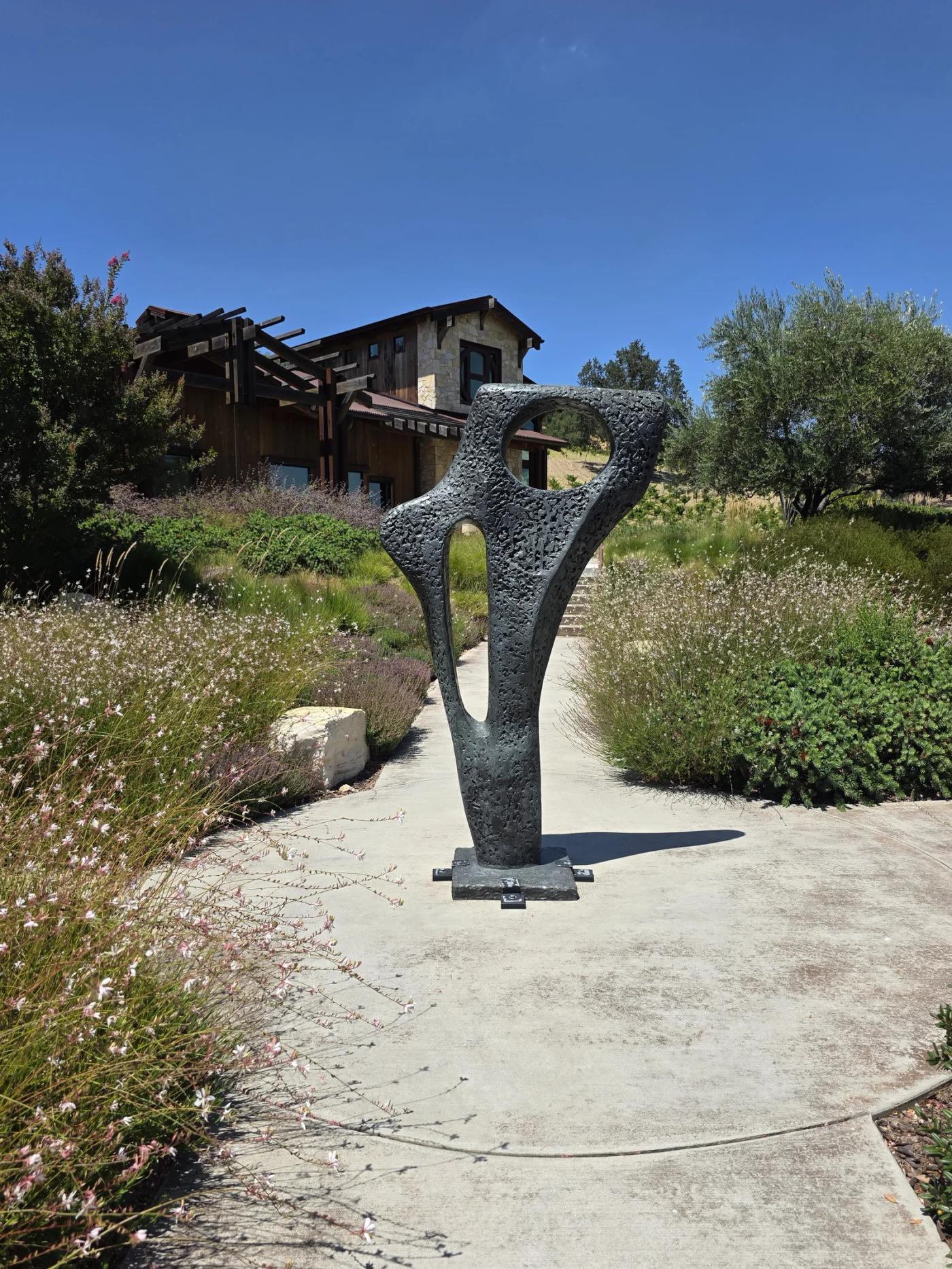
Stone arches and substantial wooden doors gave the buildings a sense of permanence, while an abstract metal sculpture rose from the garden outside. The sculpture, flowers, masonry, vineyard landscape, and blue sky all occupied the same frame without fighting for attention.
That visual impression makes more sense in the context of the property. Halter Ranch describes itself as a 2,700-acre nature estate in the western Adelaida District, with 237 acres of certified-organic estate vineyards and 20 grape varieties. Its winery incorporates gravity flow and caves into the production design—craftsmanship operating at architectural scale.
The wine program is equally broad. Cabernet Sauvignon and the Bordeaux-style Ancestor sit alongside Rhône varieties such as Syrah, Grenache, and Mourvèdre. Grenache Blanc, Vermentino, and the Rhône-inspired CDP show another side of the estate.
Halter Ranch felt like a fitting introduction to Paso Robles because the experience was bigger than a bottle. It was land stewardship, architecture, art, farming, and winemaking sharing one address.
Opolo
Opolo presented a more relaxed visual language: a welcoming courtyard, a branded fountain surrounded by greenery, barrels, and a tasting space that opened toward the outdoors.
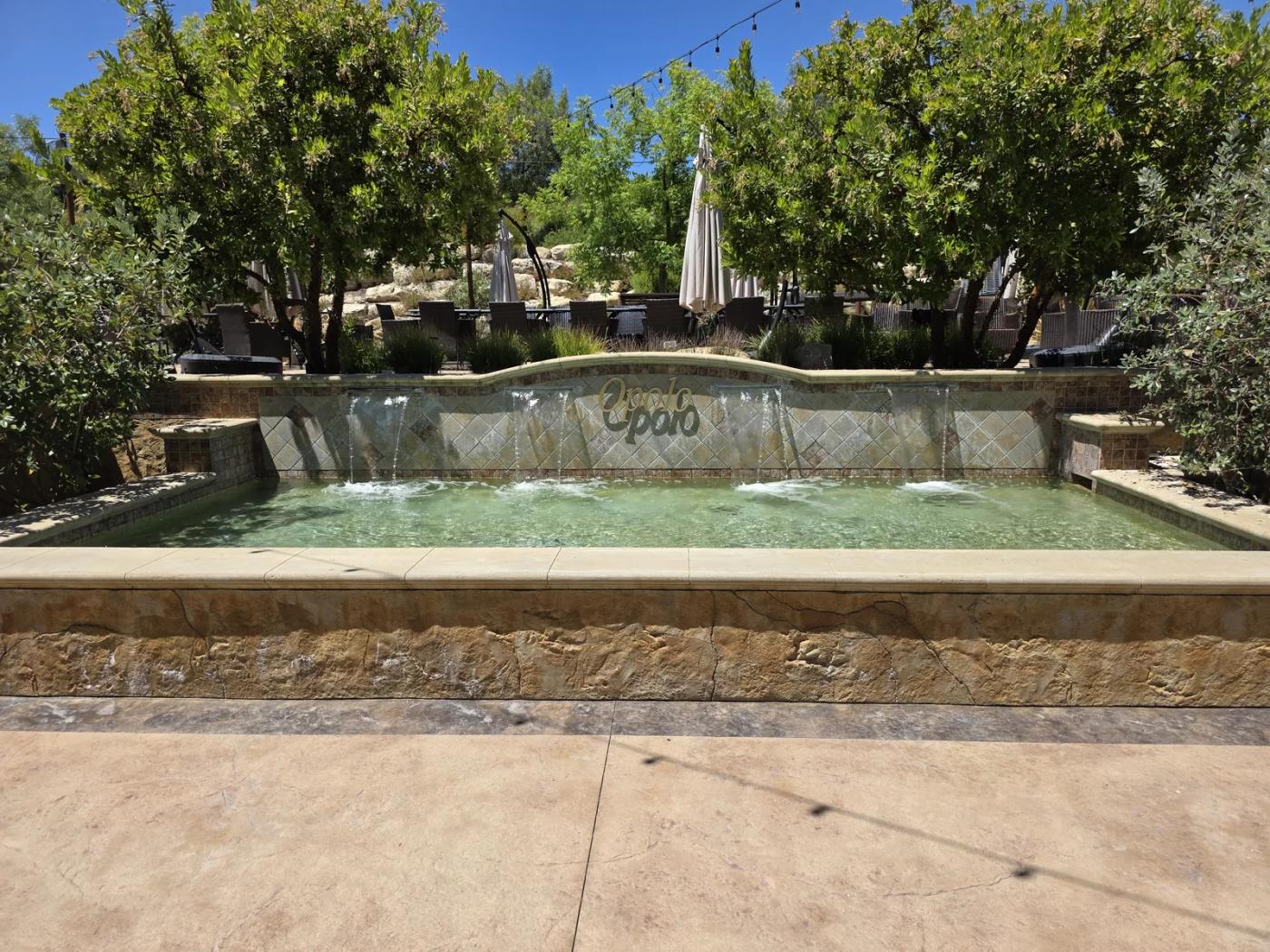
The winery’s story reaches back to 1997, when founders Rick Quinn and Dave Nichols began planting on the west side of Paso Robles. Opolo was established as a family winery in 1999, with estate vineyards in the Willow Creek District and a particular association with Zinfandel.
Mountain Zinfandel remains one of the useful reference points in the portfolio, joined by Cabernet Sauvignon and an assortment of Bordeaux and Rhône varieties. Whites such as Albariño and Viognier help show how much more there is to Paso Robles than the large red wines for which the region is often known.
What stayed with us visually was not a formal or hushed wine-country atmosphere. It was a place that appeared comfortable with people lingering outdoors, looking around, and letting the property be part of the visit.
Style without ceremony is a good lane for Paso Robles.
Oso Libre
At Oso Libre, the bear imagery, barrels, bottle display, and ranch character made the winery’s identity immediately legible. It did not look as though someone had applied a theme after the fact. The agricultural side of the place seemed to belong there.
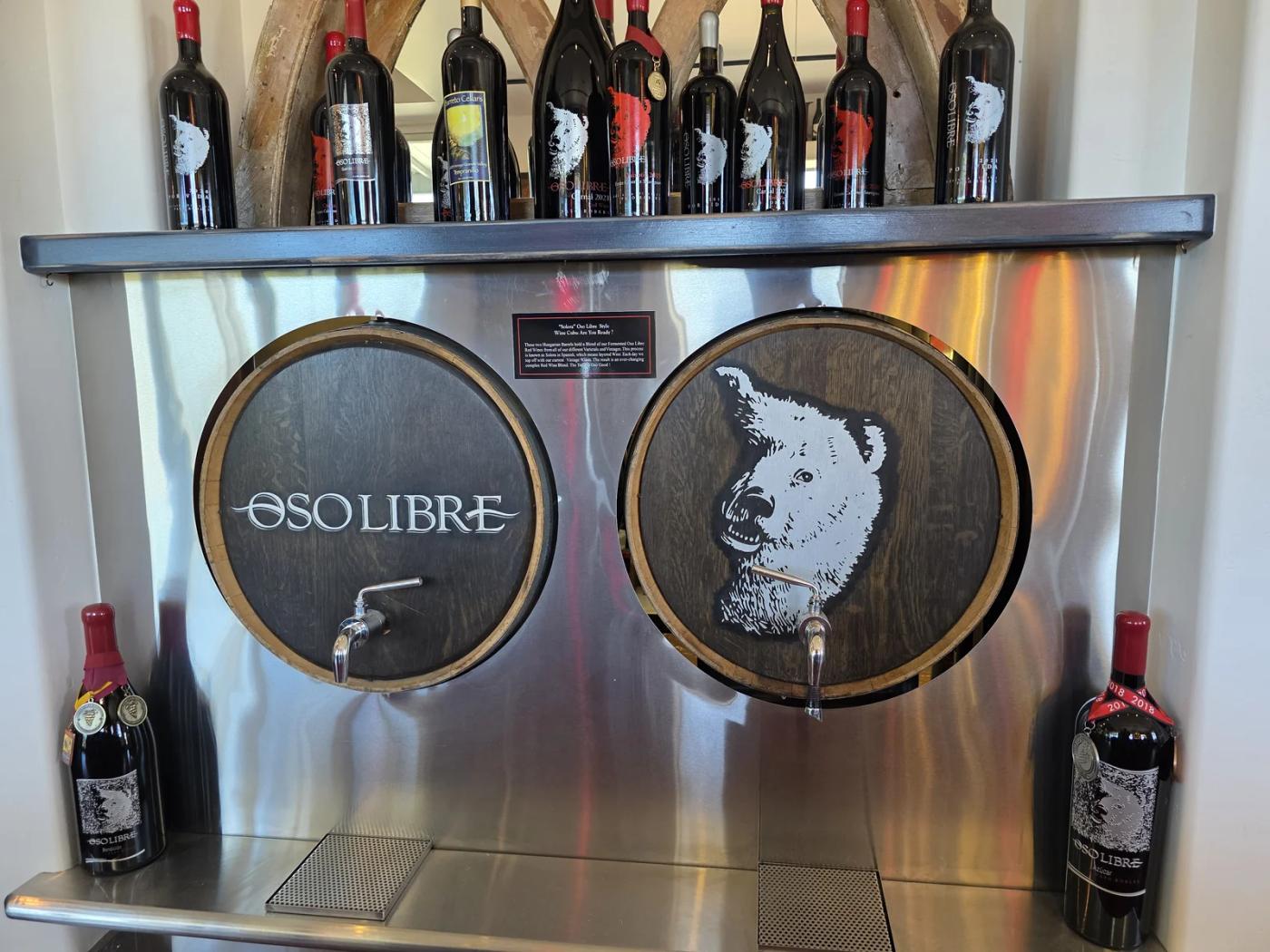
That impression matches the winery’s background. Oso Libre is an operating ranch and vineyard in the Adelaida District, with 15 vineyard acres planted primarily to Cabernet Sauvignon, Primitivo, and Mourvèdre. Its westside location is influenced by cooler Pacific air, while calcareous limestone and clay are part of the vineyard story.
Representative wines connect directly to those plantings. Nativo is built around estate Primitivo, Quixotic around Cabernet Sauvignon, and Por Vida brings Cabernet, Primitivo, and Mourvèdre together in an estate blend. Volado Viognier provides a white-wine counterpoint.
The winery’s ranch setting was a reminder that agriculture here is not a decorative backdrop. Grapevines, cattle, soil, machinery, water, weather, and human judgment are all part of the same working system.
Parrish Family Vineyard
Parrish Family Vineyard offered another version of Paso’s family story.
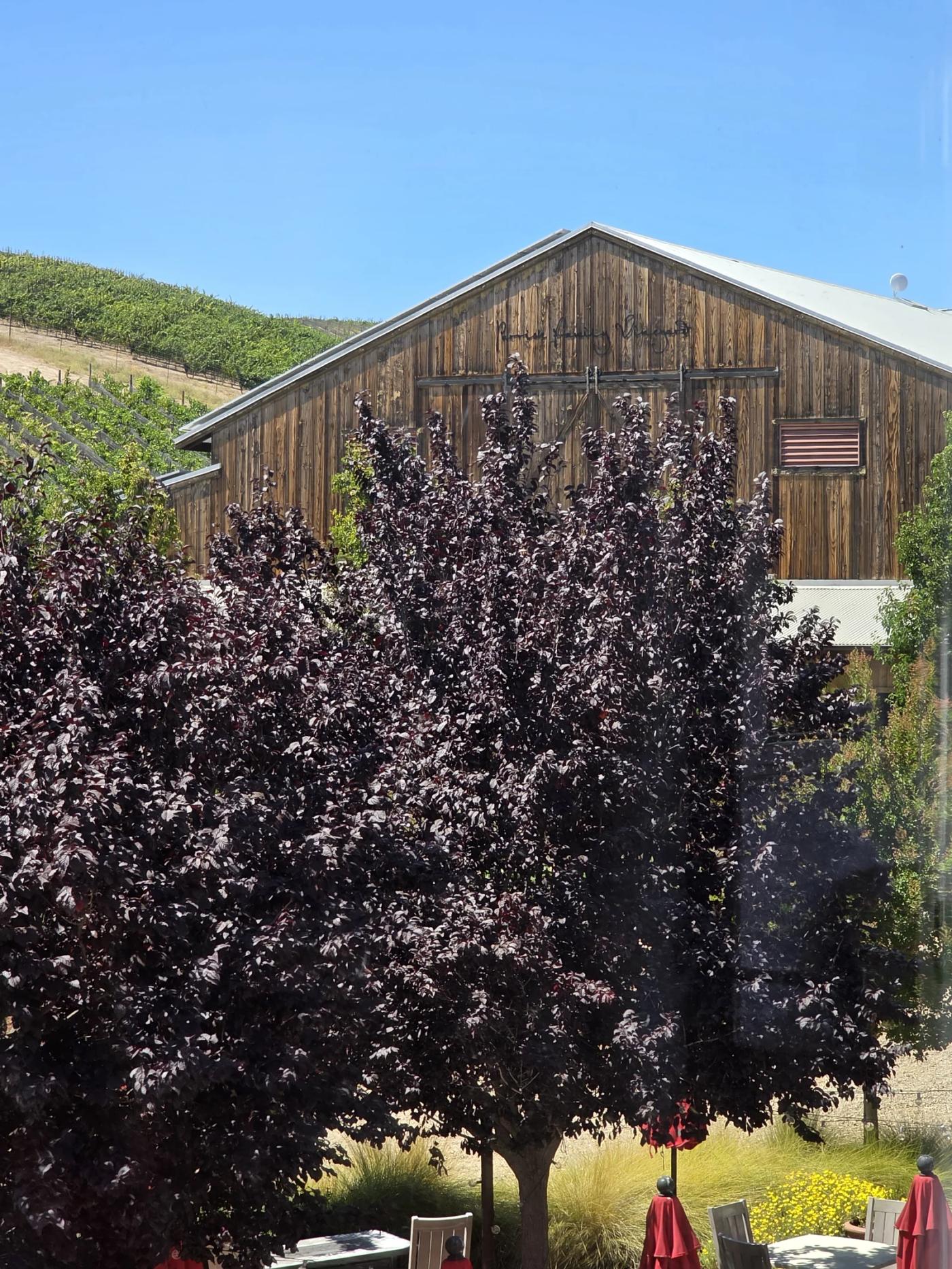
Our photographs captured vineyard slopes, flowering trees, and a barn-like building sitting quietly in the landscape. The setting felt less interested in announcing itself than in belonging to its surroundings.
The Parrish family’s local winegrowing history reaches back to 1925, when David Parrish’s grandfather began working in Paso Robles agriculture. David later spent decades designing and developing vineyard trellising systems before planting Cabernet Sauvignon in the region. The current Parrish Family Vineyard winery was built beside its Adelaida Vineyard in 2016 and 2017.
Cabernet Sauvignon and other Bordeaux varieties form the center of the portfolio. Cabernet Franc, Reserve Cabernet Sauvignon, and the Four Chords Bordeaux-style blend are representative examples, while Sauvignon Blanc broadens the picture.
Here, craftsmanship connects generations: agricultural knowledge becomes vineyard infrastructure, which becomes vines, fruit, wine, and eventually a place where visitors can see the family story in the landscape.
Austin Hope/Hope Family Wines
Austin Hope added another useful perspective: one family’s Paso Robles history expressed through several distinct wine labels.
The Hope family began farming in the region when Chuck Hope planted vines in 1978. Today, Hope Family Wines includes Austin Hope, Treana, Liberty School, Quest, Troublemaker, and Austin. Those brands occupy different lanes, but they share roots in the family’s Central Coast growing relationships and its Templeton Gap estate.
The estate vineyard includes Cabernet Sauvignon along with Syrah, Grenache, Mourvèdre, and other varieties suited to the area’s soils and cooling marine influence. Austin Hope Cabernet Sauvignon is the namesake label’s clearest calling card. The estate Rhône program—Syrah, Grenache, Mourvèdre, and GSM blends—shows another longstanding side of the family’s work, while Treana and Liberty School widen the range further.
For travelers, the larger portfolio can also serve as a map. A familiar bottle may be the introduction, but visiting Paso Robles reveals the farming history, vineyard relationships, and regional decisions behind the label.
JUSTIN Vineyards & Winery
JUSTIN Vineyards & Winery belongs in any account of Paso Robles’ modern wine story.
The winery planted its first vineyard in 1981 with the specific goal of making Bordeaux-style wines in Paso Robles. JUSTIN’s estate and vineyard holdings include limestone-rich sites in and around the Adelaida District, along with properties influenced by the Templeton Gap.
Cabernet Sauvignon is central to the portfolio, from the main bottling through reserve expressions. The best-known wine is ISOSCELES, a blend of Cabernet Sauvignon, Cabernet Franc, and Merlot that has served as JUSTIN’s flagship since its first 1987 vintage.
The Bordeaux influence gives JUSTIN a distinct place among our stops. It represents an early Paso Robles bet: that the region’s limestone, climate, elevation, and wide day-to-night temperature shifts could support ambitious Cabernet-based wines.
That history also makes JUSTIN a useful counterpoint to the Rhône varieties, Zinfandel, Primitivo, and ranch-grown blends encountered elsewhere. Six wineries did not produce six versions of the same visit. They showed how many different ideas Paso Robles can hold without losing its regional identity.
The Fair Exhibit That Stopped Us in Our Tracks
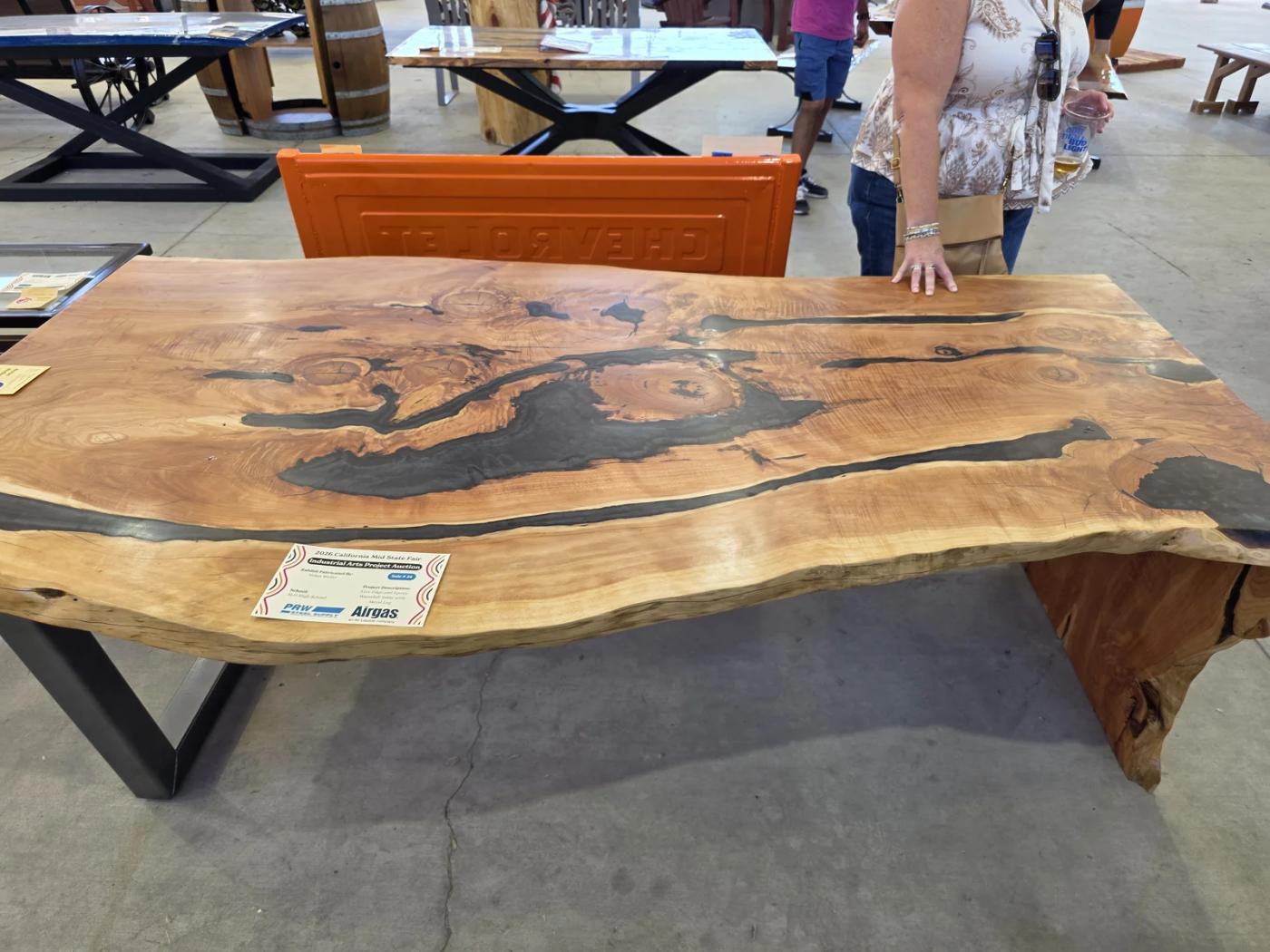
The wineries gave us a language for talking about craft. The California Mid-State Fair made that language tangible.
Inside the industrial-arts display, local high school students had built and restored work that demanded a closer look: a dramatic live-edge table, dark resin following the natural grain of the slab; a square-body truck-themed table accompanied by matching tailgate benches; a substantial wooden bar; and carefully restored pieces of farm machinery.
One project transformed familiar automotive metal into furniture and earned both first-place and best-of-show ribbons. Nearby, a restored 1951 Farmall Super C was documented in a project binder. Another tracked tractor stood in fresh black and red paint, its mechanical parts exposed rather than hidden.
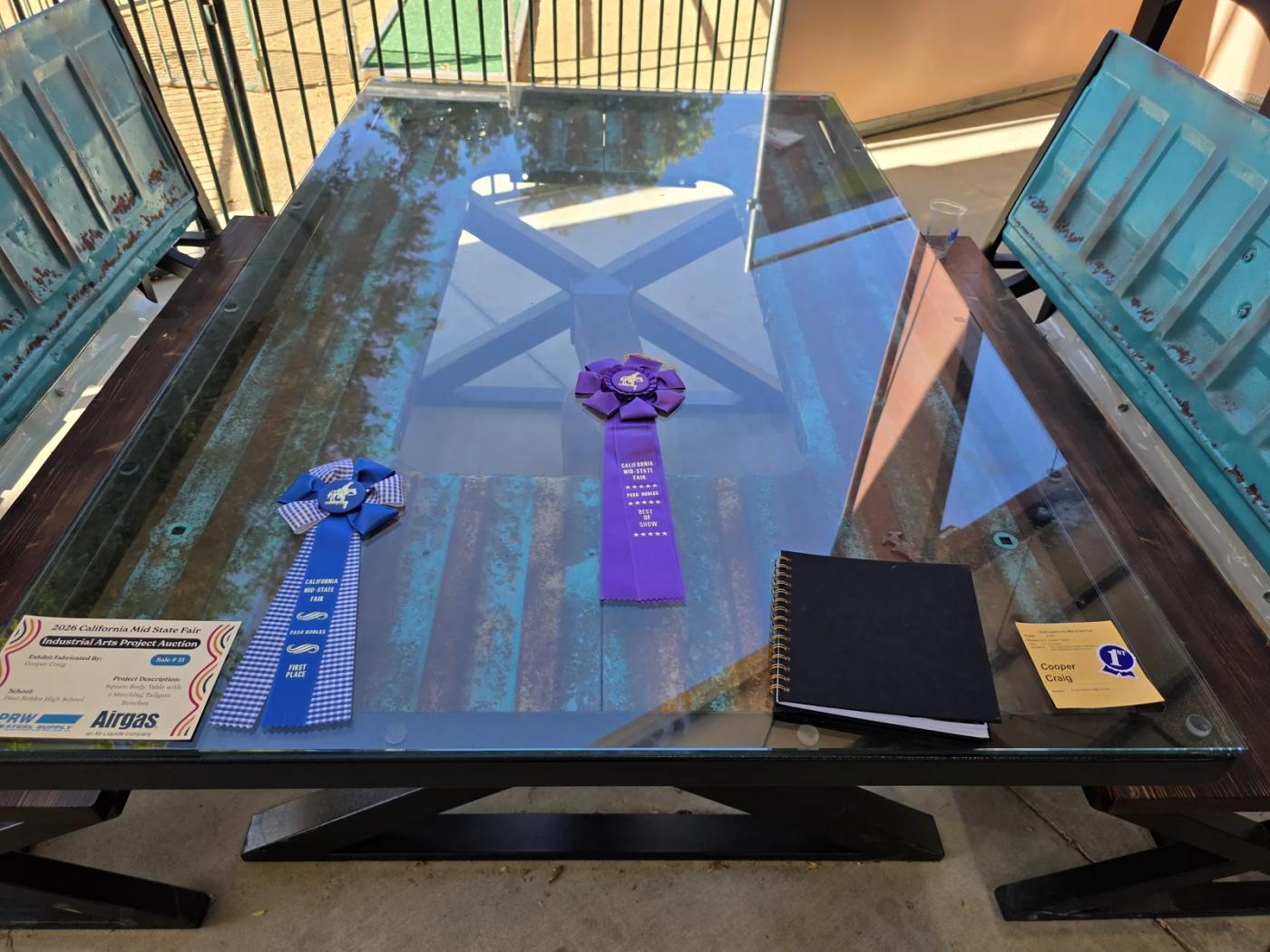
These were not small craft projects arranged politely in a corner. They had weight. They occupied space. They showed planning, measuring, cutting, welding, sanding, mechanical understanding, persistence, and the willingness to redo something that was almost—but not quite—right.
The Mid-State Fair’s Industrial Arts Auction showcases work by high school students from across San Luis Obispo County, including welding, woodworking, shop benches, trailers, furniture, and other large-scale projects. The exhibit gives that work a public audience and a path to financial support through the auction.
Standing among those projects, the connection to wine country did not feel like a stretch.
Winegrowers learn the behavior of soil, vines, weather, and wood. Furniture makers learn the grain and limits of a slab. Welders learn how metal moves under heat. Mechanics learn how dozens of parts depend on one another. In every case, the maker must understand the material rather than merely impose a plan upon it.
There is patience in all of that. There is judgment. There is also humility, because wood checks, metal warps, weather changes, machines refuse to cooperate, and grapes remain famously indifferent to a marketing calendar.
The industrial-arts exhibit became the emotional center of our fair visit because it showed young people becoming capable in public. Their work was being judged, displayed, talked about, and valued—not as a classroom exercise, but as something useful and worthy of taking home.
There was no velvet rope around the pleasure of looking closely. You did not need special vocabulary to recognize a clean weld, a thoughtful joint, an elegant use of grain, or a machine brought back to life.
You only needed to pay attention.
An Old Dominion Finish
By evening, the fair shifted gears.
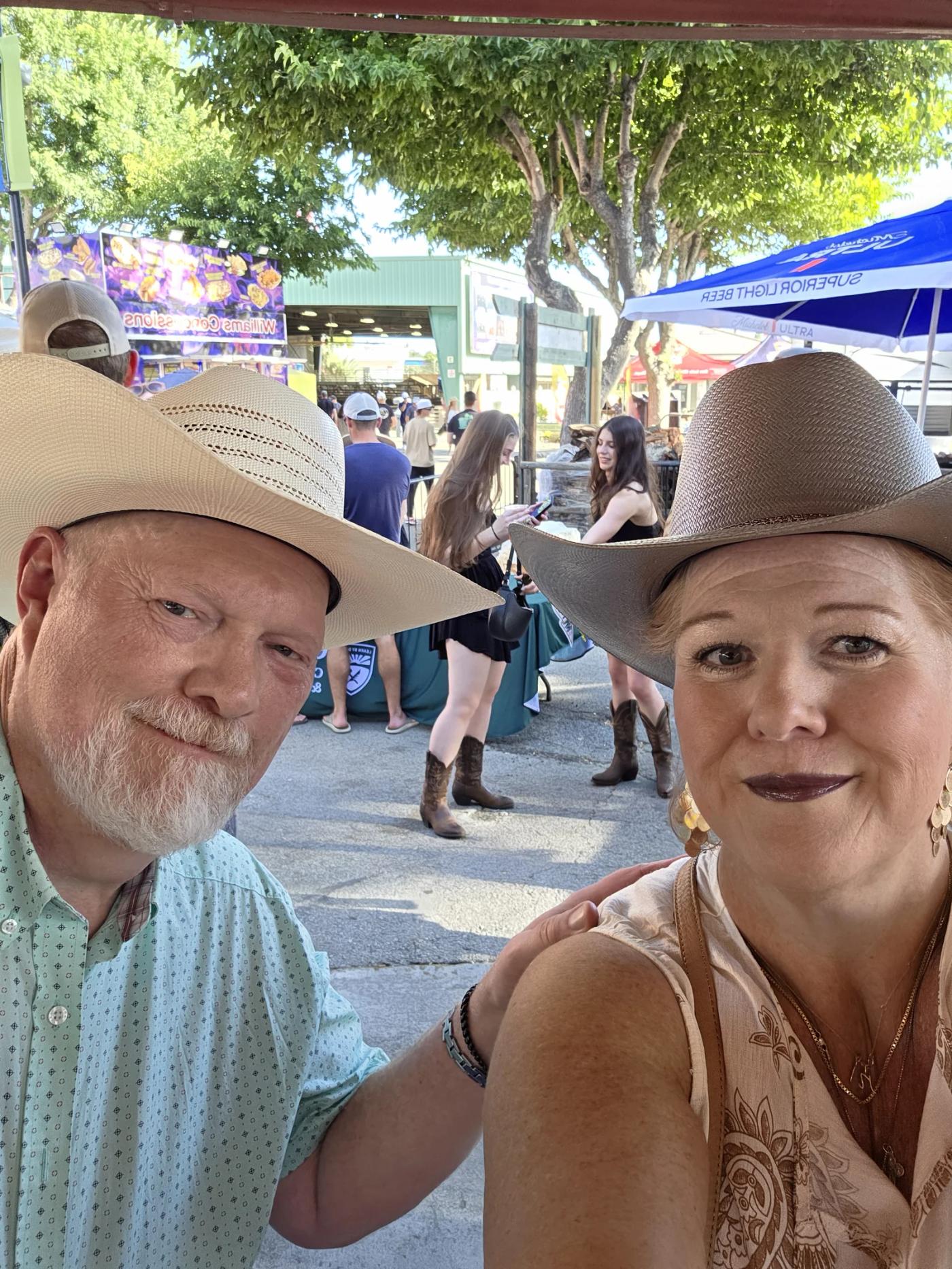
The quiet concentration of the industrial-arts exhibit gave way to fairground movement, cowboy hats, a filling grandstand, and the pleasant collective volume of people ready for live music. On July 15, 2026, Old Dominion headlined the California Mid-State Fair, with Dasha and Annie Bosko opening the show.
Old Dominion was the right kind of close to the day: polished enough for a major arena, loose enough to feel at home at a county fair, and built around songs meant to be heard in a crowd.
After a day spent looking at things people had grown, built, welded, restored, and carried onto a stage, the concert did not feel separate from the rest of the experience. It was another form of craft—songwriting, musicianship, timing, and the hard-to-measure skill of turning thousands of individual evenings into one shared memory.
By then, the cowboy hats made perfect sense.
What Paso Robles Distills Down
The best argument for Paso Robles is not a single winery, wine, concert, or attraction.
It is the way the pieces reinforce one another.
The vineyards support wineries. Farms create a need for mechanics, fabricators, builders, and practical problem-solvers. The fair gives young makers a place to show what they can do. Music brings the community and its visitors together after dark. The roads, hills, buildings, sculpture, barns, machinery, and vineyard rows give all of it a setting.
We came for a wine-country trip and left thinking just as much about a live-edge table, a restored tractor, a metal sculpture, and a grandstand singing together.
That is the kind of weekend Distill My Heart Adventures is always looking for: grown-up pleasure without the performance, useful knowledge without the lecture, and American life distilled down to the heart.
Good roads. Good work. Good music. And plenty worth noticing between the pours.