
Behind the verdict
How We Review Drinks Without Pretending Taste Is Universal
A practical field guide to what we record, how whiskey, wine, beer and coffee receive different treatment, and how a pour earns one plain-English verdict.
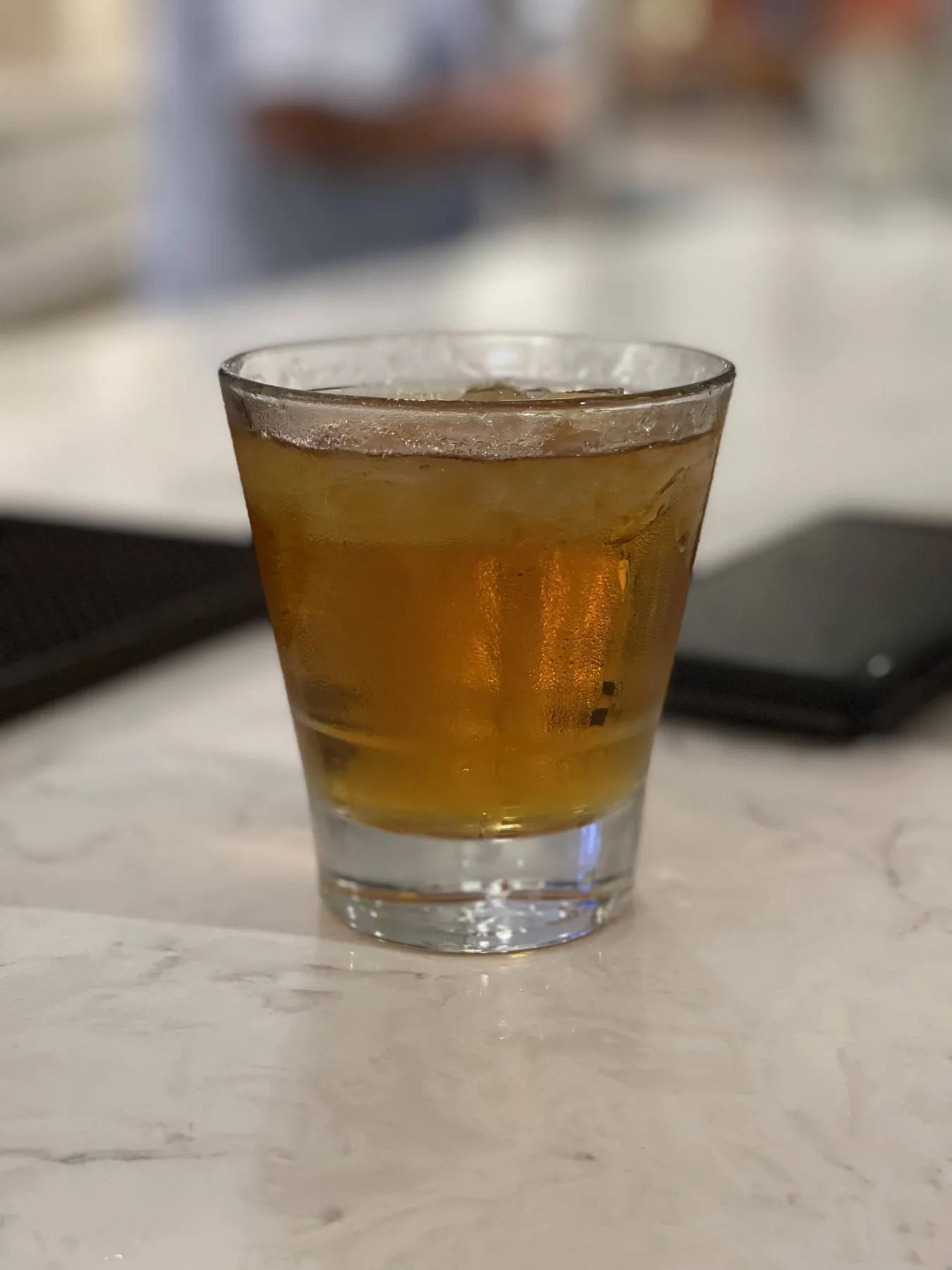
A review begins before the first sip
A useful review needs more than a flavor list. We record the exact product, price paid or dated retail price used for the value judgment, proof or alcohol by volume when applicable, where it came from, and the date and place of the tasting. When a vintage, batch, package date, roast date or preparation method matters, that belongs in the record too.
We also record how the drink reached us. A bottle or bag we bought, a pour ordered at a bar, and a sample supplied by a producer are different contexts. Free, discounted or loaned products are disclosed beside the review. Sponsored work is labeled as paid content, and any affiliate relationship is disclosed beside the relevant link. Commercial terms do not choose the verdict.
Then we taste before reading the producer's sensory notes. Official information can verify the facts. It cannot stand in for what was actually in the glass or cup.
Use five questions
The vocabulary can change with the drink. The questions should not. They keep a review focused on whether something is enjoyable and useful in real life.
- What does it taste like in plain English?
- Who might enjoy it?
- When would we serve it?
- Was it worth the price used for the value judgment?
- Would we buy or order it again?
Whiskey
For whiskey, the record starts with the exact expression, proof, price used for the value judgment and tasting context. We begin with a small neat pour, give it time, then add water only after recording the first impression. Nose, palate and finish matter, but ordinary language matters more than a scavenger hunt for exotic flavors.
The useful question is not whether a whiskey performs prestige. It is what job it does well. Some bottles earn a place for a quiet neat pour, some belong in an Old Fashioned, and some make more sense as one good order in the right bar. Proof and price provide context; neither receives points by itself.
Wine
A wine review records the producer, bottle, vintage when there is one, grape or style, alcohol by volume, price used for the value judgment and serving conditions. We note how long the bottle was open, what temperature it reached and whether food changed the experience.
Wine belongs at the table, so the verdict should travel there. We describe acidity, fruit, texture, sweetness, tannin and finish in language a person can use, then ask what meal, company or occasion brings out its best. The closing question is simple: did this bottle make a convincing case for another one?
Beer
For beer, freshness and format can change the story. We record the brewery, exact release, stated style, alcohol by volume, package type, date code when available, price used for the value judgment, and where and when the pour was verified. A clean glass and a little time out of the refrigerator give aroma, body, balance and finish a fair chance to show up.
We judge a beer against the experience it is trying to provide, not against one preferred style. A bright lager after yard work, a seasonal stout by a fire and a draft-only release at the brewery have different jobs. The second-pour question matters: was one interesting taste enough, or would we gladly order it again?
Coffee
Coffee notes are meaningless without the cup. We record the roaster, coffee or blend, roast date when available, price used for the value judgment, dose, water, grind, brew method, brew time and anything added. If we change the recipe, we say so. The words printed on the bag are background, not our tasting result.
We look for sweetness, acidity, bitterness, aroma, body and finish, then judge how the coffee works in the morning somebody actually has. A delicate pour-over and a dependable pot for four people do not need to win the same contest. Preparation is part of the verdict because it is part of the experience.
Value belongs in the verdict
Price is evidence, not a personality. For a normal purchase, we publish the price actually paid with its place and date instead of pretending it is a permanent market fact. For a free, discounted or loaned product, we disclose the arrangement and judge value against a dated normal retail price from a reputable seller. A higher price has to produce a better fit, a more distinctive experience or a reason the occasion justifies it. A lower price can be excellent value, but it does not excuse a drink we would not want again.
This is also where usefulness wins over collecting. We would rather identify the right bottle for dinner, the right beer for the patio or the coffee that makes a weekday easier than reward something simply because it is scarce.
Four verdicts, no decimal points
Scores can make small differences look scientific. Our verdicts say what we would actually do next.
- Bring It Home: distinctive, useful and worth buying again at the price used for the value judgment.
- Order It Out: enjoyable in the right room or occasion, but not essential at home.
- Glad We Tried It: a worthwhile experience even if it does not need a permanent place on the shelf.
- Leave It on the Shelf: the price, flavor or usefulness does not make a convincing case for another pour.
What we will not publish
- Sensory notes assembled from a press release, label or product page.
- A claim of personal testing, ownership or long-term use that the work does not support.
- A universal declaration that ignores serving method, freshness, food, room or occasion.
- A recommendation chosen because an affiliate link, free or loaned product, discount or sponsor is available.
- A verdict without the real tasting record needed to explain it.
Keep the room responsible
Alcohol reviews use measured pours, water, food and a deliberate stopping point. Nobody is expected to finish a sample, and an alcohol-free choice belongs on the table without explanation. Transportation is arranged before the first pour; drinking and driving never share the plan.
The purpose of a review is to make the next choice easier. The drink is part of the evening, not the measure of whether the evening worked.
Try the framework at your own table
Choose one drink and write down the facts before tasting it. Answer the five questions in your own words, choose the verdict that matches what you would really do next, and stop there. Honest reactions beat impressive answers.
That is enough structure to remember a good bottle, avoid buying the wrong thing twice and give the next gathering something worth talking about.